Your Paper Stash Is Taking Over — Here's How to Actually Get It Under Control
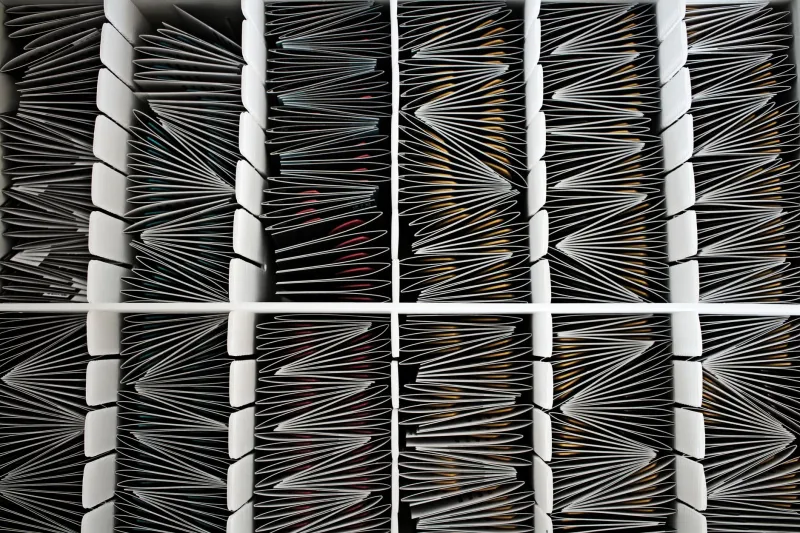
It starts innocently enough. A few sheets of hot-press watercolor paper here, a small stack of Japanese tissue there, maybe a roll of kraft you grabbed because it was on sale. Then one day you walk into your studio — or your spare bedroom, or that corner of the living room you've quietly claimed — and realize the paper has won. It's everywhere. It's curling. Something is definitely yellowing.
If you've been building a collection of specialty papers, you already know the joy of having the right material on hand when inspiration hits. What nobody really talks about, though, is the logistical headache that comes with it. Storing paper well isn't glamorous, but it's genuinely important — especially when you're talking about archival-quality sheets, handmade papers, or anything with a price tag that made you pause before clicking "add to cart."
Here's how to build a paper storage system that actually works.
Why Storage Matters More Than You Think
Paper is surprisingly reactive to its environment. Humidity is the biggest villain. When moisture in the air fluctuates — which it does constantly in most US homes, especially during summer in the Southeast or winter heating season in the Northeast — paper absorbs and releases that moisture unevenly. The result? Warping, cockling, and that wavy edge effect that's charming on handmade paper but infuriating on a pristine sheet of Arches.
Light is the other major culprit. UV exposure causes fading and yellowing over time, particularly in papers that aren't specifically manufactured to be archival. Even indirect sunlight through a window can do damage over months or years. And then there's dust, pests (yes, silverfish genuinely eat paper), and the physical damage that comes from stacking things carelessly.
The good news: most of these problems are very solvable with a little planning.
Getting the Environment Right First
Before you even think about shelving or storage boxes, take stock of where you're planning to keep your collection. A basement might seem like a smart use of space, but unless it's climate-controlled, the humidity swings down there can wreck paper fast. Same goes for garages and attics — both are temperature extremes that paper just doesn't love.
The ideal storage environment for specialty papers is cool, dry, and dark. A relative humidity between 30% and 50% is the sweet spot most conservators recommend. If you're in a humid climate or storing papers somewhere without great air circulation, a small dehumidifier or even a few silica gel packets in enclosed storage containers can make a real difference. A basic hygrometer (they run about $10–$15 at most hardware stores) lets you keep an eye on humidity levels without any guesswork.
Temperature-wise, room temperature is generally fine — just avoid places that heat up dramatically in summer or get cold enough to create condensation in winter.
Flat Files: The Gold Standard (and the Space Hog)
If you've ever been inside a professional printmaking studio or an architect's office, you've seen flat files — those wide, shallow metal drawers designed specifically to store large sheets of paper horizontally. They're the absolute best option for keeping paper flat and protected, and a good used set can last decades.
The catch, obviously, is size. A standard flat file cabinet takes up significant floor space and isn't exactly apartment-friendly. That said, if you have a dedicated studio or a room where you work, investing in even a small flat file (tabletop versions exist and are more manageable) is worth it. Check Facebook Marketplace, Craigslist, or estate sales — flat files show up secondhand regularly, often from closing architecture firms or print shops, and they go for a fraction of retail.
For those of us working with less square footage, the flat file principle still applies — you just have to get creative about how you execute it.
Smart Alternatives When Space Is Limited
Under-bed storage is genuinely underrated for paper. Low-profile, flat plastic bins with lids slide under a standard bed frame and hold a surprising number of full sheets. Look for ones with a tight-fitting lid to keep out dust and light. Label the outside clearly — there's nothing worse than pulling out four bins to find the one sheet you need.
Portfolio cases and art storage bags are another practical option, especially for papers you use regularly. A zippered nylon portfolio in a large format (24x36 is common) keeps sheets protected and organized without taking up much room. These are particularly good for papers you're actively cycling through rather than archiving long-term.
For rolled papers and large sheets that store better vertically, a tall bin or tube organizer works well. You can DIY a simple version using a large plastic trash can or a dedicated umbrella stand, grouping rolls by type and labeling each with a strip of tape. Just make sure the container is clean and dry before anything goes in.
The Organization System That Will Actually Save You Time
Here's the part most storage guides skip: having paper stored safely is only half the battle. If you can't find what you need without unpacking everything, the system has failed.
Organize your collection in whatever way maps to how your brain works — by paper type (watercolor, printmaking, origami, tissue), by weight, by project type, or by brand. The specific system matters less than whether it's intuitive to you. Some people love a detailed inventory spreadsheet; others do fine with handwritten labels on each storage container. Either works.
One trick that's genuinely useful: keep a small sample of each paper type clipped or taped to the outside of its storage container. This way you can feel and see the texture at a glance without opening anything up. It sounds fussy, but after you've grabbed the wrong paper for the third time mid-project, you'll appreciate it.
Protecting Against the Long Game
For papers you're truly archiving — limited edition handmade sheets, papers from suppliers that have since discontinued the line, anything with real sentimental or financial value — it's worth going a step further. Acid-free tissue interleaving between sheets prevents them from reacting with each other over time. Archival clamshell boxes, while not cheap, offer excellent protection for smaller collections of special sheets.
Keep these high-value papers away from anything that might off-gas — certain adhesives, some paints, and even lower-quality cardboard can emit acids that migrate to nearby papers over time. It sounds extreme, but if you've paid serious money for a paper you love, a little extra protection is worth it.
Building the Collection You Actually Want
Once you've got a system in place, the whole experience of collecting specialty papers changes. Instead of feeling vaguely guilty about the growing stash, you can lean into it — because you know where everything is, it's all in good condition, and you can actually use it when the moment calls for it.
That's really the whole point, isn't it? The paper exists to be worked with. A good storage system isn't about hoarding — it's about making sure that when the right project comes along, the right paper is ready and waiting.