Touch Me If You Can: How Luxury Brands Are Using Paper to Create Packaging You Actually Remember
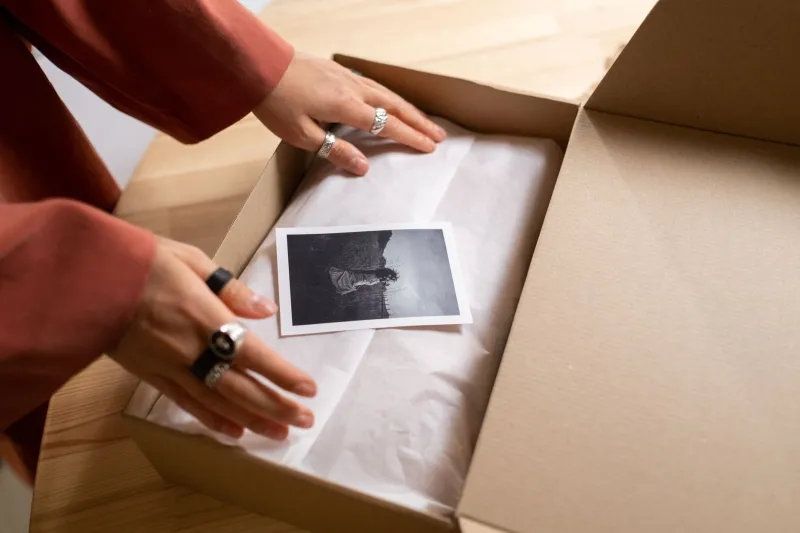
There's a moment that happens when you open a really well-packaged product. You slow down. You notice the weight of the box, the resistance of the tissue paper, the way a ribbon unfurls just so. For a few seconds, you're not a consumer — you're a recipient of something that someone clearly thought hard about. That feeling? It's not accidental. It's paper science, applied with intention.
Luxury brands have been quietly (and not so quietly) moving away from sleek, minimalist digital aesthetics toward something more grounded: physical packaging that earns its moment. And at the center of that shift is specialty paper.
The Limits of a Screenshot
For a while there, unboxing videos seemed like the whole game. If your packaging looked good on camera, you were winning. But something interesting started happening — consumers began to notice when packaging that looked premium felt cheap in person. A glossy box photographed beautifully but crinkled the second you touched it. Tissue paper that seemed elegant on screen turned out to be the same stuff you'd find at a dollar store.
The gap between visual and tactile became a credibility gap. And for brands trying to charge a premium, that gap is expensive.
That's what's driving the current investment in high-end paper and packaging materials. It's not just aesthetics — it's about the full sensory story a product tells the moment someone puts their hands on it.
What Tactile Packaging Actually Does to Your Brain
Here's where it gets interesting from a craft science perspective. Research in consumer psychology consistently shows that the physical weight and texture of packaging influences how we perceive the quality of what's inside. This is sometimes called the "embodied cognition" effect — our brains use physical sensations as data points when forming judgments.
Heavier paper stock signals durability and care. A soft-touch matte finish triggers associations with sophistication and restraint. Rough-textured papers — like those with a laid or cotton rag surface — communicate handcraft and intentionality. Even the sound packaging makes when it's opened factors in. A stiff, structured box that opens with a satisfying resistance registers differently than a flimsy one that collapses under your hands.
None of this is happening consciously. It's a background process, running underneath your awareness, shaping how you feel about a brand before you've even seen the product.
The Papers Making It Happen
So what are brands actually reaching for? A few categories keep coming up among packaging designers and small business owners who've gone deep on this.
Cotton and rag-blend papers are showing up in high-end tissue wraps and inner liners. They're softer than standard tissue, they hold up better when handled, and they have a subtle warmth that synthetic alternatives just can't match.
Uncoated natural stocks — including recycled and tree-free options — are being used for outer boxes and mailers. The uncoated surface feels honest, a little raw, and pairs well with letterpress or foil-stamped branding for a contrast that reads as both modern and artisanal.
Duplex boards (two papers laminated together) let brands layer textures and colors in ways that feel genuinely surprising when you open a package. One side might be a deep, saturated kraft; the other a soft ivory. The reveal is part of the experience.
Metallic and pearlescent papers are making a quieter comeback, used as accent wraps or inserts rather than the main event. When they're deployed with restraint, they land beautifully.
Small Business Owners Are Paying Attention
This isn't just a conversation happening in the boardrooms of fashion houses. Independent makers and small product-based businesses across the US are having the same realization: your packaging is part of your product. Full stop.
Take a small-batch candle maker in Portland who recently switched from generic white tissue to a heavyweight natural kraft tissue with a slight texture. Her cost per unit went up modestly, but her repeat purchase rate and social shares both climbed. Customers started mentioning the packaging in reviews — not just the candles. "It feels like a gift," one reviewer wrote. That's not something you engineer through a logo refresh.
Or consider a jewelry designer in Austin who hand-stamps her inner wrapping paper with a custom pattern using a single block print. The paper itself is a mid-weight, slightly textured cotton stock. It's not expensive by luxury standards, but the combination of tactile material and handmade mark makes every package feel considered. She's mentioned in interviews that it's one of the main reasons customers come back — they save the wrapping.
These aren't outlier stories. They're a pattern.
Practical Moves for Creators Ready to Level Up
If you're a maker, a small brand, or a creative professional who ships physical products, here's how to start thinking about this more intentionally.
Start with the touch point that matters most. You don't have to overhaul everything at once. What's the first thing a customer's hands touch when they open your package? That surface — whether it's a tissue wrap, a box lid, or an inner sleeve — is where a paper upgrade will have the most impact.
Weight is your friend. If your current packaging paper feels flimsy, go heavier before you go fancier. A heavier stock in a neutral finish will almost always read as more premium than a lighter paper with an elaborate surface treatment.
Match your paper story to your brand story. If your brand is rooted in sustainability, a recycled or tree-free stock communicates that before a word is read. If you're going for old-world craft, a laid or cotton paper does the same work. The paper choice should be an extension of your values, not just a container for your product.
Don't underestimate the inside. The exterior of your packaging sets expectations. The interior is where you either meet them or exceed them. A simple, beautiful inner wrap in a complementary paper can make even modest outer packaging feel elevated.
Order samples before you commit. This one sounds obvious, but it's worth saying loudly. You cannot know how a paper will perform in your packaging until you hold it, fold it, and watch it behave under real conditions. Most specialty paper suppliers offer sample packs — use them.
The Bigger Picture
What's happening with luxury packaging isn't really a trend. It's a correction. For a decade or so, brands chased digital-first aesthetics and optimized everything for how it looked on a four-inch screen. The result was a lot of packaging that photographed well and felt like nothing.
Now, the brands that are winning customer loyalty are the ones remembering that humans are physical creatures who respond to physical things. Paper — real, textured, weighted, thoughtfully chosen paper — is one of the most powerful tools available for creating that kind of response.
You don't need a luxury budget to use it well. You just need to start paying attention to what your packaging is saying with its hands.