What Actually Makes Handmade Paper Outlast the Stuff You Buy at the Store
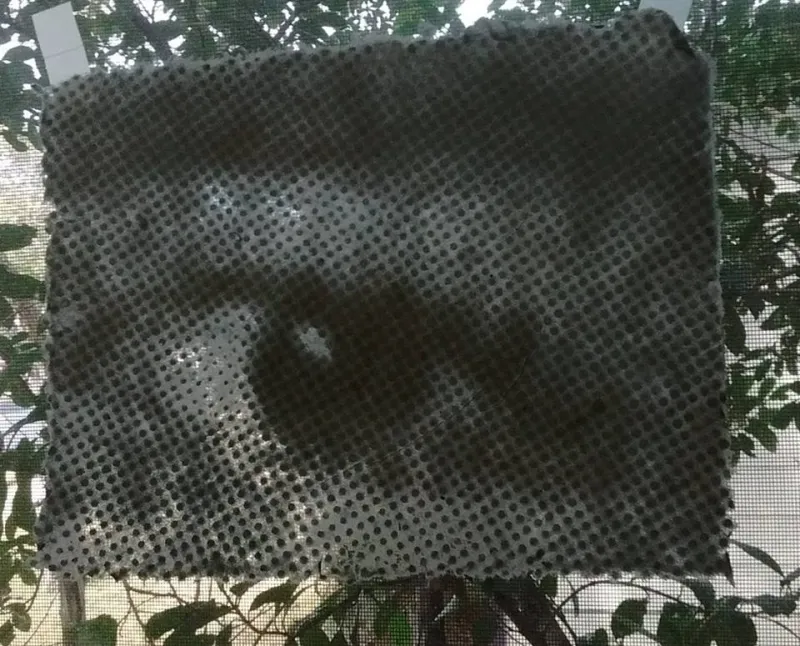
Photo: Yamaplos, CC BY-SA 4.0, via Wikimedia Commons
There's something deeply satisfying about holding a sheet of paper you made yourself. But beyond the tactile joy of it, handmade paper carries a quiet superpower that most people don't talk about: it tends to last a whole lot longer than the reams of paper you grab off a shelf at the office supply store. That's not just craft-community lore — there's legitimate science behind it.
Let's break down what's really happening when you pull a sheet of fiber from a mold and deckle, and why those choices add up to something that could genuinely outlive us all.
It Starts With the Fiber
Mass-produced paper is typically made from wood pulp that's been heavily processed with chemicals to break down lignin — the compound that binds wood fibers together. That processing speeds things up for factories, but it leaves behind shorter fiber strands and residual acids that, over time, cause paper to yellow, become brittle, and eventually crumble. You've probably seen this happen with old newspaper clippings. That's lignin degradation in action.
Handmade paper, on the other hand, often relies on long-fiber plant materials: cotton linter, abaca (a banana plant relative), linen rag, kozo (Japanese mulberry), and even recycled textile scraps. These fibers are naturally longer and more flexible, which means they interlock more tightly when they settle into a sheet. The resulting paper has a tensile strength that's genuinely impressive — papermakers sometimes describe it as feeling "alive" compared to commercial sheets, which sounds poetic but is physically accurate.
Professional papermaker Elise Moreau, who runs a small studio in Vermont, puts it simply: "When you're working with cotton rag, you're starting with something that was already meant to flex and hold up. Denim doesn't fall apart in your washing machine after a few cycles, and that same toughness carries into the paper."
pH Balance: The Quiet Killer of Commercial Paper
Here's where chemistry gets really interesting. Acidic environments are catastrophic for paper. The acids that remain in wood-pulp paper after processing continue to break down cellulose fibers over time — a process called acid hydrolysis. It's slow, but it's relentless.
Handmade papermakers who are serious about archival quality almost always add a buffering agent to their pulp or finishing water — typically calcium carbonate. This neutralizes any existing acids and leaves the paper slightly alkaline, which acts as a reserve against future acid exposure (from pollution, handling, or just the air). The result is what conservators call "acid-free" or "archival-grade" paper, and it's the gold standard for anything meant to last generations.
This is why museums and archivists specifically seek out handmade or cotton rag papers for storing important documents. The Declaration of Independence wasn't written on copy paper for a reason.
Formation: Why Randomness Is Actually a Feature
If you hold a sheet of commercial paper up to a light source, you'll notice a very uniform texture — fibers are laid down by machines in a consistent, directional pattern. That uniformity makes for predictable printing results, but it also creates a structural weakness: the paper is more likely to tear along those directional grain lines.
Handmade paper, formed by hand on a mold and deckle, creates what's called "random fiber formation." The fibers settle in every direction as the water drains, creating an interlocking web that distributes stress more evenly across the entire sheet. Pull on a handmade sheet and it resists tearing from multiple angles. That's not an accident — it's physics.
For artists working with wet media like watercolor or ink washes, this structural integrity is a game-changer. The paper can absorb significant amounts of water without warping or disintegrating at the surface.
The Environmental Bonus You Didn't Ask For (But Should Care About)
Beyond durability, the environmental footprint of handmade paper tends to be dramatically smaller. Industrial papermaking is notoriously water- and energy-intensive, and the bleaching processes used to achieve that bright white look introduce chlorine compounds into wastewater systems.
Small-scale papermakers typically use water recycled through their own studio systems, skip chlorine bleaching entirely (relying instead on sun-bleaching or natural fiber colors), and source materials locally — agricultural byproducts like iris leaves, corn husks, or recycled denim are common in American studio papermaking communities.
Papermaker and educator James Holloway, based in Asheville, NC, has been running community papermaking workshops for over a decade. "Most of my pulp comes from stuff people would throw away," he says. "Old cotton T-shirts, plant stalks from gardens, cattails from a local pond. The paper that comes out of those materials is genuinely archival, and it didn't require cutting down a single tree."
Practical Tips for Making Your Own Long-Lasting Sheets
If you're ready to try archival-quality papermaking at home, a few key decisions will set you up for success:
Choose your fiber wisely. Cotton linter and abaca are the easiest starting points for beginners who want archival results. Both are available in processed form (called "half-stuff" or "prepared fiber") and require only a blender or Hollander beater to turn into pulp.
Test your pH. Invest in a basic pH testing kit — the kind used for aquariums works fine. Your finished pulp water should be neutral to slightly alkaline (pH 7–8.5). If it's reading acidic, add a small amount of calcium carbonate powder to correct it.
Size your sheets. Sizing refers to adding a substance that controls how the paper absorbs liquid. Gelatin sizing (applied after drying) is the traditional method and gives paper excellent resistance to ink bleed and moisture. For watercolor use, you'll want lighter or no sizing; for writing and printing, a firmer size is ideal.
Dry slowly. Rushing the drying process with heat guns or direct sunlight can cause uneven shrinkage and surface cracking. Room-temperature drying on a flat surface or felts produces the most stable sheets.
Store it right. Even archival paper benefits from proper storage — flat, away from humidity extremes, and interleaved with acid-free tissue if you're stacking sheets.
Why This Matters for Your Creative Work
If you're an artist, illustrator, bookbinder, or mixed-media creator, the paper you choose is literally the foundation of everything you make. Investing time in understanding — and eventually making — your own sheets means your work has a fighting chance of looking just as good in fifty years as it does today.
At Papirmasse, we stock everything you need to get started: cotton linter, abaca fiber, mold and deckle sets, sizing materials, and pH testing supplies. Because we believe the best creative work deserves a surface that's built to last just as long.
Handmade paper isn't precious or pretentious. It's just better — and now you know exactly why.